野生动物主题纪录片《水深火热的星球》从一个全新的角度探索地球最恶劣的生存环境。这部纪录片分为六集,观众将分别走进地球最深、最高、最冷、最热、最潮湿和最干旱的自然栖息地,了解那里的动物们是如何克服不利的环境因素生存繁衍的。自然界中危机四伏,在过去的40年里,野生动物面临的挑战比过去6500万年间还要艰巨。因此在这些极端环境下生活的动物必须随着环境的变化不断进化,才能直面水深火热的栖息地、严峻的气候、冷酷无情的掠食者并和同类争夺有限的自然资源。它们的挑战很简单:适应或死亡。
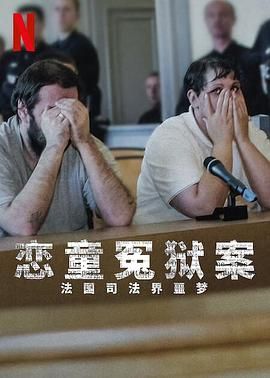
深入探讨了法国最大的司法悲剧之一。2000年代初,在法国北部,年轻的布尔高法官负责调查一个家庭的恋童癖指控。随着调查的深入,案件变得越来越复杂,镇上的其他居民似乎也参与其中。指控与反指控之间,法律机器纠缠在一起。
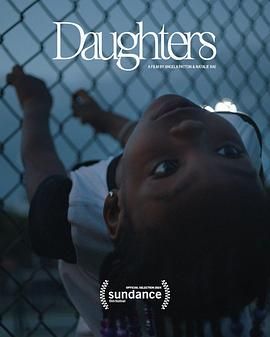
在这部讲述爱的治愈力量的感人纪录片中,四个女孩准备去华盛顿监狱,通过一支特别的舞与各自的父亲团聚。
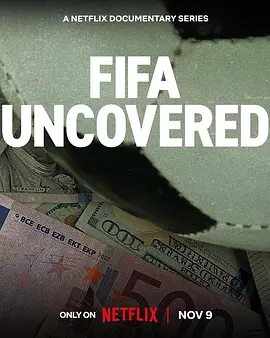
From power struggles to global politics, an exploration of FIFA reveals the organization's checkered history and what it takes to host a World Cup.
这部纪录片聚焦King Gnu 乐队的领队常田大希,讲述他如何与自己的音乐团队“THE MILLENNIUM PARADE”一起,创作融合不同曲风的歌曲《2992》。
这部令人瞠目结舌的纪录片深入美国最具争议的脱口秀节目的幕后,揭露其镜头内外的最大丑闻。
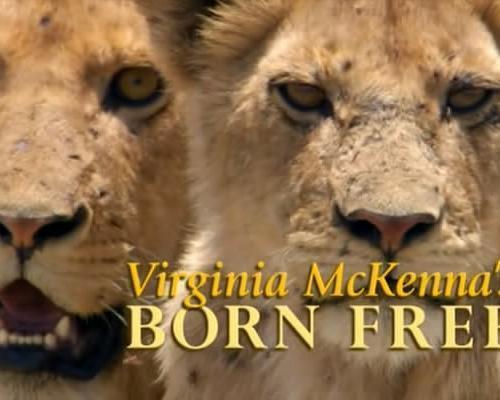
弗吉尼亚·麦肯纳重温了这部经典电影的拍摄地点和背后的故事。此外,还有令人惊叹的档案片段,展现了英国对肯尼亚的帝国统治。
埃及高级考古专家Zahi Hawass和他的探索小队挑选出了在埃及所有发现中10种最重要的.在前期对这些巨大建筑的考察中,这些发现揭秘了埃及法老王,埃及艳後以及普通侍从的惊人逸事,踏上这趟绝妙旅程,一起到尼罗河去探寻,追溯埃及许许多多遗失已久的未知谜团.
《翻山涉水上学路 第二季》讲述了世界上贫困和偏远地区孩子们的上学经历。镜头从他们的生活环境开始,并继续展示他们上学之路,直到最后达到他们的目标。本季从埃塞俄比亚、尼加拉瓜、蒙古国、巴布亚新几内亚到墨西哥,见证世界各地的偏乡孩子,克服艰险万分的上学路。 上学之路是我们从小就熟悉的道路,但没有一条上学之路是这样的,这些孩子几乎每天都要面对危险,他们要忍受严寒、翻山越岭、边划船边舀水、只为了过上更好的生活。沿途的风景或壮观、或优美,装点着翻山涉水的上学路。
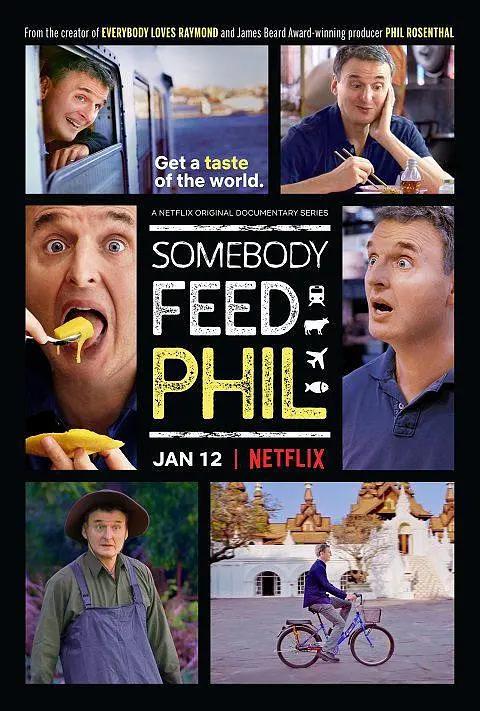
Netflix美食+旅行纪录剧《来人喂饱Phil》(SomebodyFeedPhil)发布预告,《人人都爱雷蒙德》主创PhilRosenthal赴各国吃+玩,西贡、里斯本、曼谷、特拉维夫、墨西哥城、新奥尔良…好开心!“我到了新地方,看看那里人们吃啥,有时奇迹会发生。”1月12日上线。
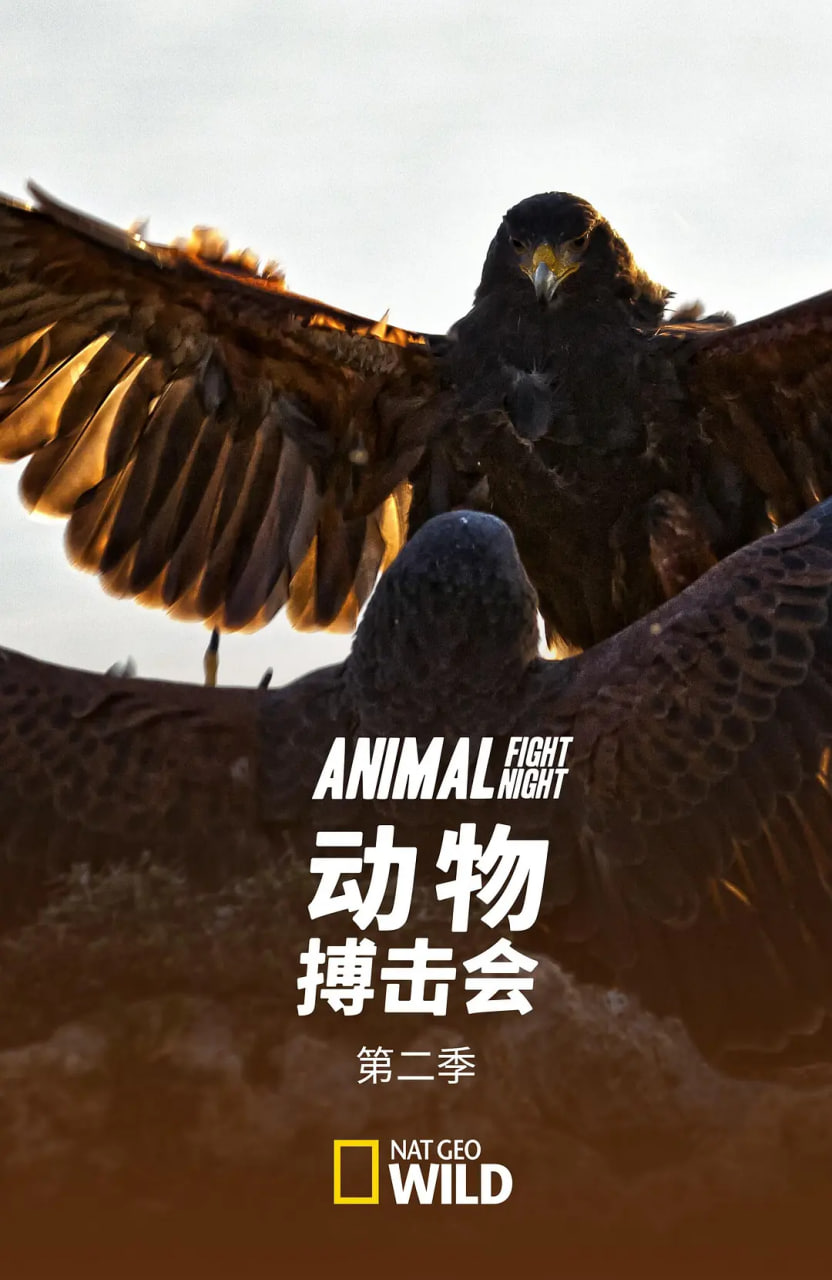
动物搏击会又回来了,第二季的六集节目给你动物界最巨大、最厉害且常是令人惊讶的打手的拳击别战斗。从熊和金雕,到老虎、犀牛,甚至是卑微的尖鼠,参赛者来自世界各地。动物搏击会给你终极格斗大赛的精彩热血内容,解析战术背后的技巧以及人类冠军选手不会也无法拥有的身体武器。你将看到动物们毫无保留地拼斗,在这里,什么都有可能发生。
就到这里吧!庆祝#InsecureHBO 从文化宠儿到文化运动的旅程。纪录片特别节目《Insecure: The End》将于 12 月 26 日星期日在 HBO Max 上播出。
Future of Food In the past year, we have seen food riots on three continents, food inflation has rocketed and experts predict that by 2050, if things don't change, we will see mass starvation across the world. This film sees George Alagiah travel the world in search of solutions to the growing global food crisis. From the two women working to make their Yorkshire market town self-sufficient to the academic who claims it could be better for the environment to ship in lamb from New Zealand, George Alagiah meets the people who believe they know how we should feed the world as demand doubles by the middle of the century. 【India】 George joins a Masai chief among the skeletons of hundreds of cattle he has lost to climate change and the English farmer who tells him why food production in the UK is also hit. He spends a day eating with a family in Cuba to find out how a future oil shock could lead to dramatic adjustments to diets. He visits the breadbasket of India to meet the farmer who now struggles to irrigate his land as water tables drop, and finds out why obesity is spiralling out of control in Mexico. Back in Britain, George investigates what is wrong with people's diets, and discovers that the UK imports an average of 3000 litres of water per capita every day. He talks to top nutritionist Susan Jebb, DEFRA minister Hilary Benn and Nobel laureate Rajendra Pachauri to uncover what the future holds for our food. 【Senegal】 George heads out to India to discover how a changing diet in the developing world is putting pressure on the world's limited food resources. He finds out how using crops to produce fuel is impacting on food supplies across the continents. George then meets a farmer in Kent, who is struggling to sell his fruit at a profit, and a British farmer in Kenya who is shipping out tonnes of vegetables for our supermarket shelves. He also examines why so many people are still dying of hunger after decades of food aid. Back in the UK, George challenges the decision-makers with the facts he has uncovered - from Oxfam head of research Duncan Green to Sainsbury's boss Justin King. He finds out why British beef may offer a model for future meat production and how our appetite for fish is stripping the world's seas bare. 【Cuba】 In the final episode George Alagiah heads out to Havana to find out how they are growing half of their fruit and vegetables right in the heart of the city, investigates the 'land-grabs' trend - where rich countries lease or buy up the land used by poor farmers in Africa - and meets the Indian agriculturalists who have almost trebled their yields over the course of a decade. George finds out how we in this country are using cutting-edge science to extend the seasons recycle our food waste and even grow lettuce in fish tanks to guarantee the food on our plates. He hears the arguments about genetically modified food and examines even more futuristic schemes to get the food on to our plates.